Shubhodeep Das: The Humane Architect of Thailand’s Business Renaissance
How Chiang Mai based Hylife Group CEO, Shubhodeep Das earned WCRC’s "World’s Leading Leader 2025" by betting on people, planet, and principled growth.
By WCRC Editorial · Global · 15 Jul 2025 · 3 min read
Monsoon rain drums rhythmically on the bamboo roof of a community center in Hang Dong District. Inside, Shubhodeep Das kneels beside a farmer, sketching supply chain diagrams in a notebook stained with soil. This isn’t corporate philanthropy—it’s Tuesday morning for the CEO steering Hylife Group , a 13-subsidiary empire generating 420 million THB. When WCRC named Das World’s Leading Leader 2025 , they weren’t just honoring growth metrics. They recognized a man rewriting leadership’s DNA: one where lychee harvests and solar farms matter as much as spreadsheets.
The Unlikely Revolution: From Single Entity to Ethical Ecosystem
Das’ journey feels less like a corporate playbook than a Thai folk tale. When he took Hylife’s reins, it was a modest enterprise. Today, its tendrils stretch across real estate, medical tech, sustainable foods, and beyond—a 150% revenue surge achieved not through cutthroat tactics, but radical collaboration.
"Profit isolated from people is poison," Das tells me, wiping sweat as we tour a Hylife-funded vertical farm. "Our growth came because we asked: Who else thrives when we do?"
The answer materialized in partnerships that defy conventional business logic:
Hill-tribe artisans designing biodegradable packaging
Public health clinics testing Hylife medical devices
Struggling rice farmers becoming renewable energy suppliers
WCRC’s Leadership Equity Matrix—evaluating vision, cultural impact, and societal value—revealed the genius: Das embedded stakeholders into Hylife’s architecture. "He didn’t build a company," noted one auditor. "He cultivated an ecosystem."
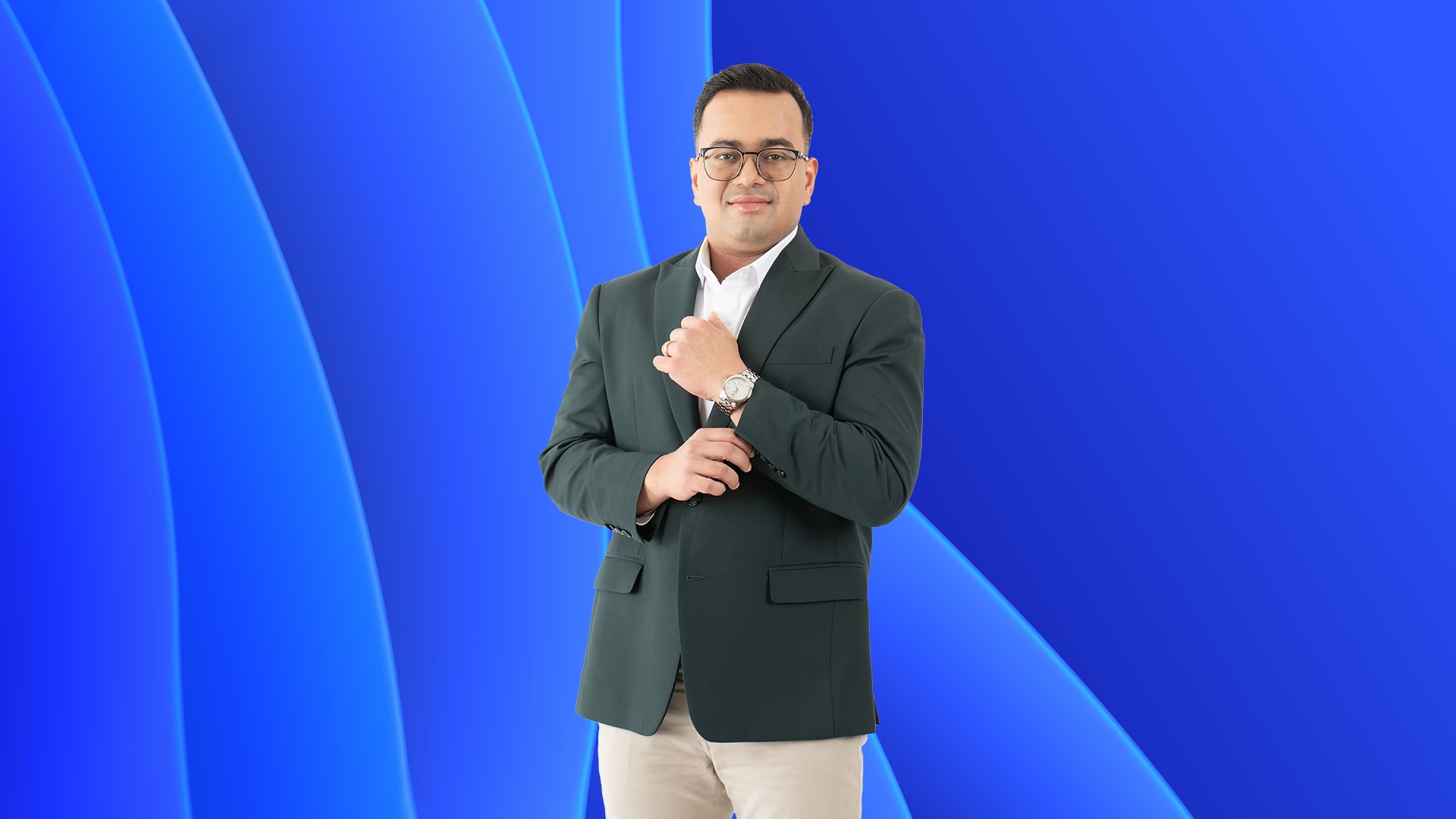
Shubhodeep Das, Group Chief Executive Officer, Hylife Group, Thailand
The "Anti-CEO" Playbook: Trust as Competitive Advantage
In Hylife’s airy Chiang Mai headquarters, there are no corner offices. Das works at a reclaimed teak desk surrounded by engineers debating algae-based plastics. His leadership mantra? "Be the gardener, not the sculptor."
Early on, Das noticed proposals stalling for his approval. His fix was radical: dismantle the approval hierarchy. Today, teams pilot projects with 70% autonomy. "Failure isn’t a fireable offense—it’s R&D," explains marketing head Lena Srisomphan. When her sustainable cosmetics line missed sales targets, Das funded her pivot to upcycling tourism waste into beauty packaging. The result? A 2024 FMCG Award and 42 new jobs.